For parents
Choosing an elementary school, one question at a time
Plain guides for parents comparing primary schools: what to ask on a visit, how curricula differ, what schools cost and what changes when you move abroad.
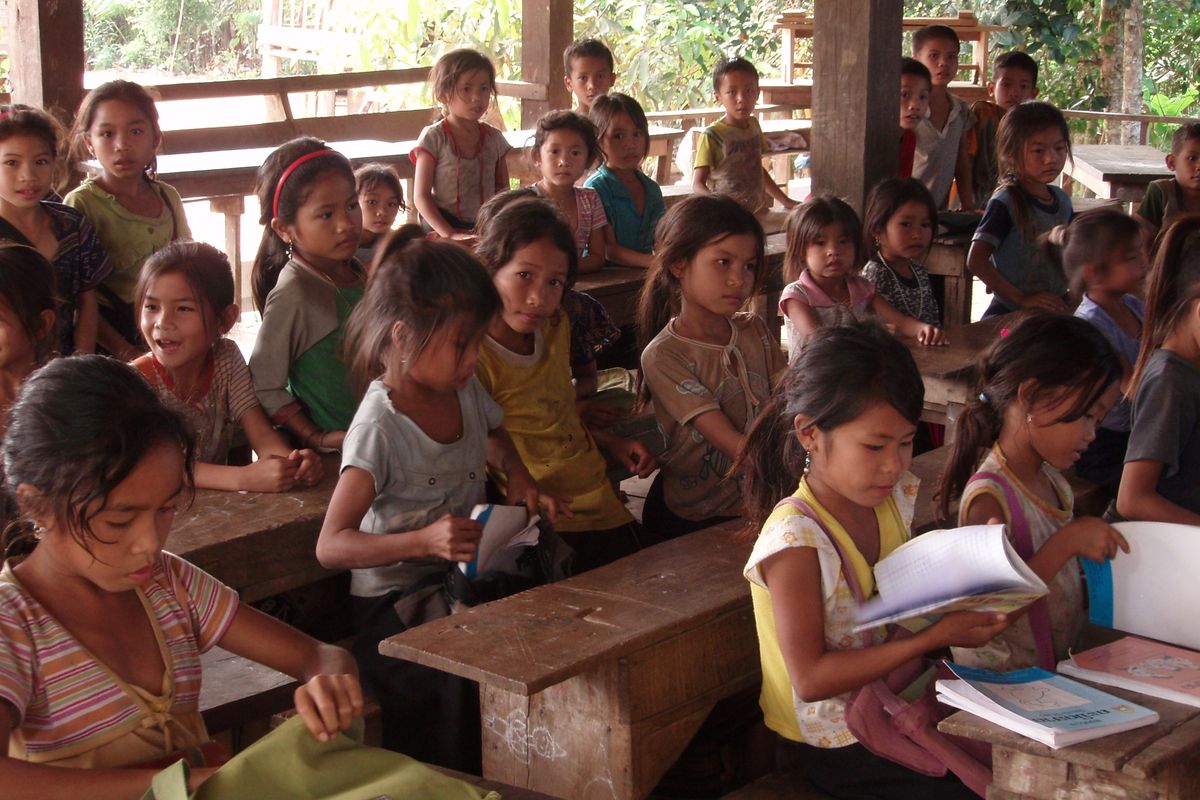
Pupils reading at their desks in a small village school in northern Laos 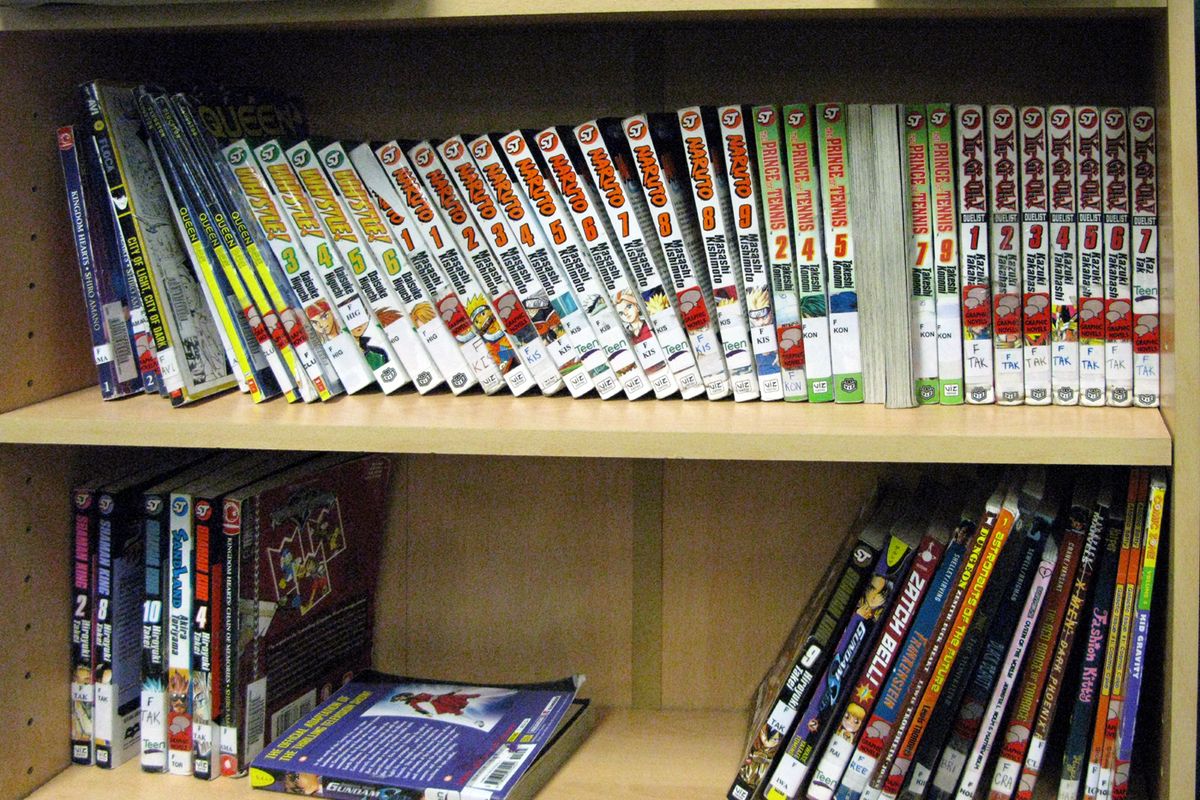
Books on a primary school library shelf 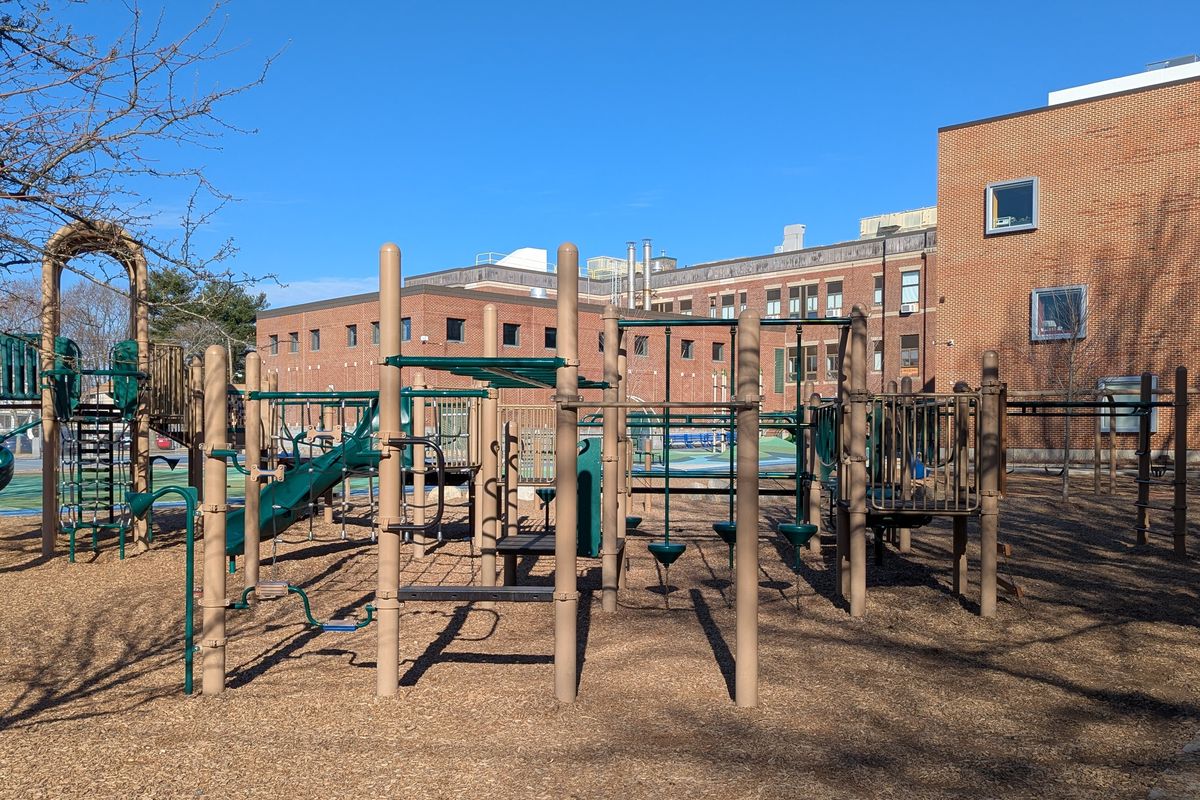
The playground at Hardy Elementary School in Arlington, Massachusetts 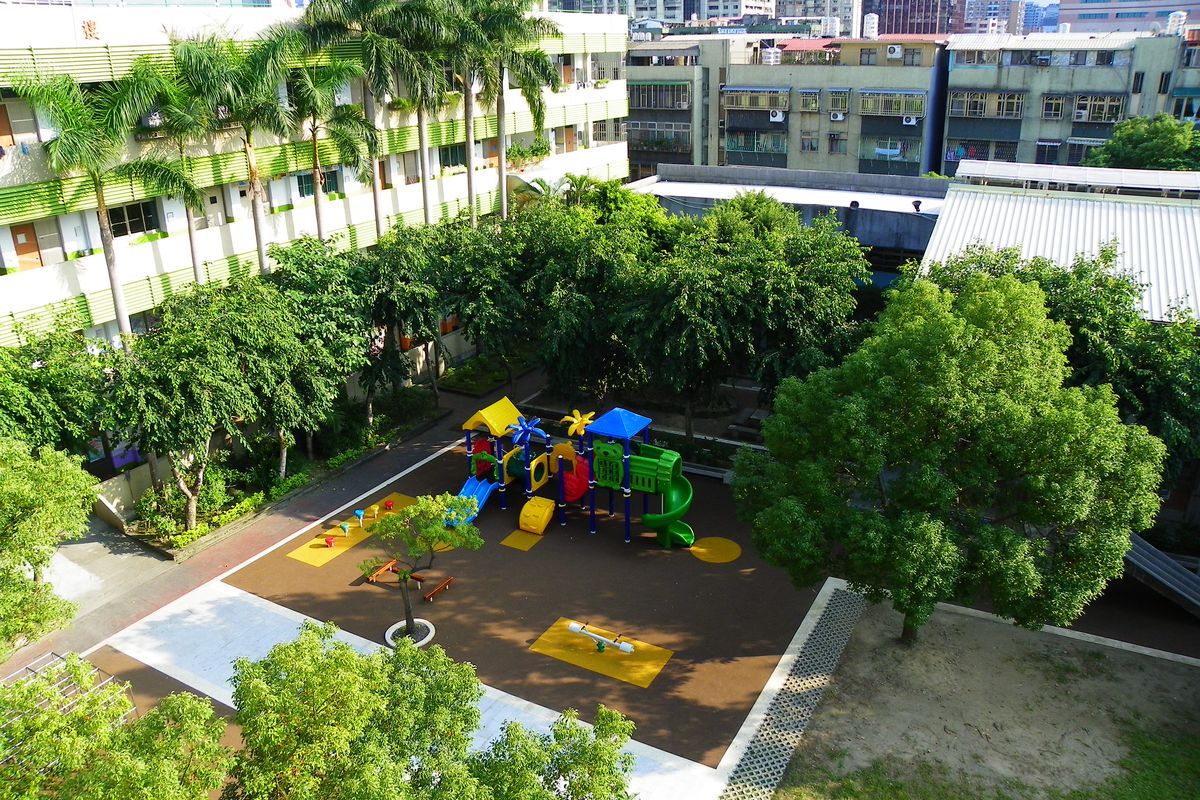
The playground at Minquan Elementary School in Taipei, seen from a classroom block 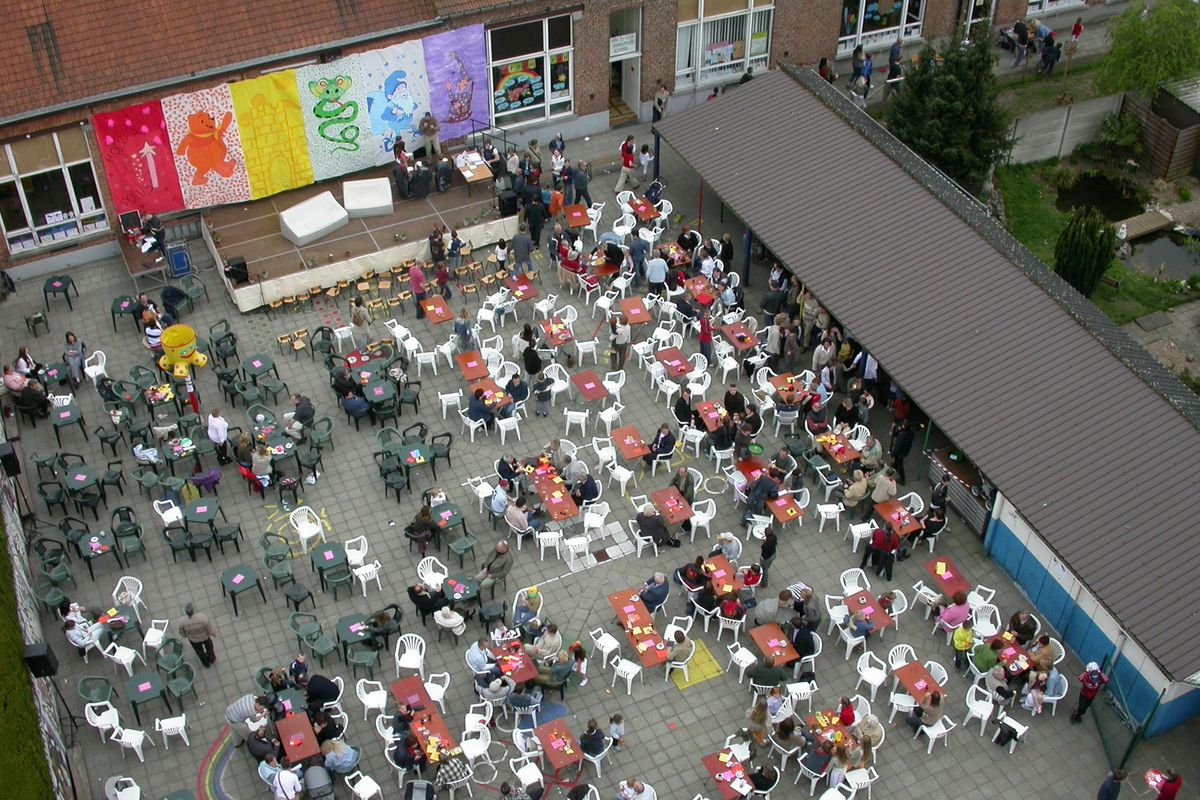
The courtyard of Heikant primary school in Zele, Belgium, on a school fair day


Five steps
From the first questions to the first day
Step 1: Know your needs
Start with your own family: when your child is due to start school, how much English support they may need and what time you need the school day to end.
Step 2: Shortlist
Choose a curriculum first, then look at who inspects each school and how far it is from where you will live.
Step 3: Visit
See each school on an ordinary day, during lessons if you can, with a short list of things you want to find out.
Step 4: Ask
Ask the questions school websites rarely answer: how many adults are in the room, and what the full list of charges looks like.
Step 5: Start school
Once you have chosen, help your child get ready for the first weeks, at home or in a new country.
Steps 3 and 4
Questions to ask on a visit
Take these with you. Each one links to the guide it comes from.
A class of 24 with a full-time teaching assistant can feel very different from a class of 20 with one teacher.
From the guide: Class size
Specialists for music, physical education, languages or art give class teachers planning time, and children meet more than one teaching style.
From the guide: Class size
Some schools charge an extra fee for EAL support, and some set a minimum English level for entry above a certain age.
From the guide: English support
Ask what this looks like in the year group your child would join, and how staff tell parents about progress.
From the guide: The school visit
Ask to read the most recent report. If a school is vague about who inspects it, treat that as a question to follow up, not a detail to skip.
From the guide: Inspections
Application fees, enrolment fees and deposits can be large next to a single term of tuition, and buses, lunches and trips are often extra.
From the guide: Costs beyond tuition
A high turnover is worth asking about, especially in the year groups your child will move through.
From the guide: The school visit
School finishes earlier than most working days, and younger children may finish earlier than older ones. Check whether care runs every day and in the holidays.
From the guide: After-school care
Print it or tick it
School visit checklist
A short list to carry round each school. Use one copy per school.
School: Date:
In the classrooms
Ask the staff
Around the building
Afterwards
Words schools use
A short glossary
- EAL
- English as an additional language: support for children who speak another language at home. Some schools call it ESL or ELL.
- IB PYP
- The International Baccalaureate Primary Years Programme, for ages 3 to 12, built around six transdisciplinary themes.
- Cambridge Primary
- A curriculum designed for international use, usually for ages 5 to 11, with subject frameworks over six stages.
- IPC
- The International Primary Curriculum, built around themed units that link subjects together.
- Reception
- The first year of school in England, in the September after a child turns 4.
- Key Stage 1 and 2
- The two stages of the English National Curriculum at primary level: Years 1 to 2 and Years 3 to 6.
- Kindergarten
- In the United States, the first year of elementary school, usually at 5.
- Accreditation
- A review by an outside organisation such as CIS, NEASC or WASC, usually a self-study followed by a visit from a team of reviewers.
- Wraparound care
- Breakfast club and after-school club, covering the start and end of the working day.
- Debenture or capital levy
- A one-off charge that some international schools ask for as well as tuition.
This is a guide for parents, not a school. We do not run, admit pupils to or represent any school.